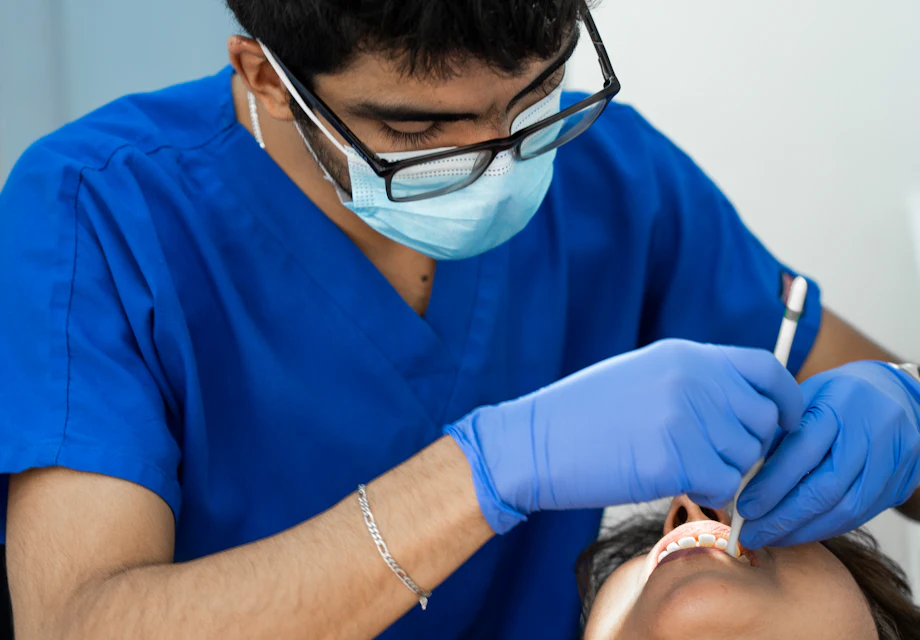
If you have been putting off dental care because the total estimate is beyond your budget, the hardest part may be knowing which program is real. Start with our free dental implants and assistance overview, then use this page to investigate charity intake and private grant-style discounts. If your main concern is replacing missing teeth with a removable appliance, our low-income dentures and Medicaid resource covers a different set of benefits.
There are three questions worth answering before you complete any form: Who operates the program? What treatment is actually funded? And what must you pay after the promised assistance? Those questions matter because a legitimate charity may donate restorative treatment, while a private promotional network may simply reduce the price of an elective procedure. Both can appear in search results for the same query.
You do not need to decide which implant brand or surgery you want before speaking with a dentist. A clinician should first examine the gums, remaining teeth, bite, infection status and overall treatment needs. Some people benefit more from a conventional denture or bridge; others may be considered for implant-supported care after basic dental problems are addressed.
We compare research and help you prepare questions for official providers. We do not approve grants, hold treatment funds, promise a volunteer dentist, or accept medical records through the public connection desk.
Three dental assistance routes that are often confused
A nonprofit donated-care program, a commercial dentist discount, and an income-based public health center may all help someone who cannot afford a private treatment estimate. They do not use the same eligibility standards, offer the same procedures, or process applications in the same way.
Charity-donated treatment
Dental Lifeline Network's Donated Dental Services (DDS) coordinates participating volunteer dentists and laboratories. Eligible patients may receive a treatment plan without a patient charge, subject to screening, volunteer availability and clinical discretion.
Private cosmetic fee reductions
Programs such as CDG and DentalGrants.org promote assistance through participating private dental providers. A reduction can help, but the patient usually pays for prerequisites and a remaining balance.
Public or institutional clinic care
HRSA-funded centers and dental schools may offer sliding-fee services or supervised, reduced-cost care. They are not universal implant grant agencies, and treatment menus vary by clinic.
The fastest safe approach is to check donated-care eligibility first if you are an older adult, have a permanent disability, or have a medically documented need that fits the program. Then compare the costs of local university and community health center care. Consider elective private discounts only when you can realistically finance the remaining amount without jeopardizing essentials such as housing, food or medication.
People with violence-related dental injuries can separately review our survivor dental restoration assistance guide. Its specialized charity screening rules are different from a general dental grant application.
Donated Dental Services application: how DDS screening actually works
Dental Lifeline Network lists its Donated Dental Services program as a volunteer-led route to comprehensive dental treatment for people with significant financial and medical barriers. Its IRS employer identification number is 84-6129064. The charity's official application page says treatment is donated and excludes purely cosmetic care. An application can put an apparently eligible person on a waitlist; it does not guarantee treatment or a particular procedure.
According to the organization's current guidance, applicants must meet at least one clinical or demographic category: age 65 or older, permanent disability, or a medically necessary dental-care criterion. They must also lack the means to pay and first use dental benefits available through insurance or programs such as Medicaid. A volunteer dentist decides the actual treatment plan after a consultation. DDS explicitly notes that sedation, implants and complex procedures may not be provided.
- Choose your state's DDS process.
Open the official Dental Lifeline Network application portal, check your residence and read your state-specific guidance. Intake can differ by location and the volunteer capacity available there.
- Check the eligibility categories honestly.
Being unemployed or having a low income alone does not necessarily qualify a younger applicant. Check the current older-adult, disability and medically necessary dental-care criteria rather than choosing a category just to get through the form.
- Gather practical details before starting.
The official DDS form requests income and expenses, an alternate contact, physician details and general information about dental needs. It may later request insurance benefit information, denial letters, relevant disability documentation or veteran discharge records when applicable.
- Finish the correct official form.
Use the charitable organization's secure intake channel for any required sensitive documents. Do not upload Social Security numbers, Medicaid cards or health records to a directory or a social-media account claiming to speed up DDS approval.
- Understand the waitlist and referral stage.
Dental Lifeline Network explains that waiting may last several months to a year or longer, depending on state and capacity. Being placed on a waitlist is not an appointment. The state DDS coordinator evaluates files as they reach the top of the list.
- Attend the clinical consultation if offered.
Only a participating dentist can assess treatment needs and determine acceptance into care. The dentist may propose fillings, extractions, bridges or dentures instead of implants, or may find a case outside the service capacity of the volunteers.
A careful donated dental services application tells the truth about income, other benefits, treatment history and current functional difficulties. If your gums are infected or you cannot chew enough to eat normally, describe the practical issue in ordinary words. Do not manufacture a doctor's diagnosis or invent a disability category; the program may ask for formal verification.
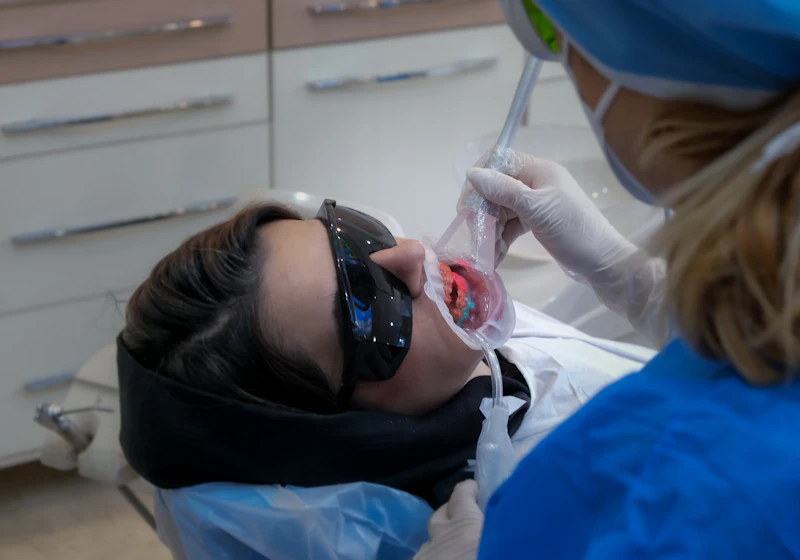
Cosmetic Dentistry Grants: what an award does and does not pay for
The name sounds like a public benefit, but cosmetic grant offers can be privately operated promotions. The Cosmetic Dentistry Grants (CDG) program says its awards are partial, may require proximity to a participating dentist, and apply to eligible cosmetic treatment after necessary basic care has been completed. Its official application page states that selected patients still have out-of-pocket costs. The amount is not a flat nationwide dollar award.
CDG may begin with an oral assessment; the program notes that X-rays and required basic treatment can still generate charges. The dentist evaluates whether the mouth is healthy enough for the proposed elective work. If a grant is awarded, the patient uses the approved participating provider under the program's rules. Readers should examine the current terms because the promotional offer and eligible procedures can change.
DentalGrants.org describes an upfront 25% dentist-funded reduction from the participating dentist's treatment price and identifies itself as a for-profit, nongovernment program. Its published 2026 rules require an application and participating dentist consultation, and restrict funding for treatment already underway or completed. A 25% reduction still leaves 75% of the eligible treatment price plus any excluded services.
For example, an illustrative treatment quote of $8,000 with an eligible 25% reduction would leave $6,000 for the patient before any separate evaluation, extraction, gum-care, grafting or financing fees. That is arithmetic, not a verified quote from a particular provider. Someone without enough savings or affordable credit to cover the balance should not mistake this type of discount for fully donated treatment.
Be cautious of websites that promise universal free implants, demand a grant release fee, or ask for an EBT PIN or bank details to approve a private dental offer. A real provider should identify the organization, give a written treatment estimate and explain the actual eligibility process.
Questions to ask before accepting a private discount
Ask the provider for the usual fee, the discount method, the new subtotal and which charges are excluded. Ask if the assessment and X-rays are free, whether the offer requires using only one dentist, and what happens if a different treatment is recommended. Check the provider's professional license with the relevant state dental board and request full written financing terms if credit is involved.
Private elective discount offers do not replace treatment for active infection, periodontal disease or extraction needs. If a dentist says those issues must be treated first, ask for a second estimate that separately lists essential health work and elective cosmetic improvements. This can show whether a lower-cost public clinic should handle the first stage before you compare implant options.
Dental assistance programs: eligibility, costs and official starting points
The table below separates the program's role from the procedure someone hopes to receive. Costs and waitlists are shown as conditional descriptions rather than promises. Click column headers to sort the information, and always confirm the latest rules at the official portal.
| Dental Lifeline Network / DDS (EIN 84-6129064) | Donated restorative care; implants not guaranteed | 65+, permanently disabled, or medically necessary care; hardship | Potential $0 for treatment accepted by a volunteer | State waitlists vary · DDS application |
| Cosmetic Dentistry Grants / CDG | Partial elective cosmetic and implant awards | Participating clinical assessment and eligibility rules | Patient pays remaining balance and eligible prerequisites | Program-specific · CDG |
| DentalGrants.org | Private dentist-funded discount, 25% advertised | Participating dentist and valid program application | Remaining eligible fee and excluded care | Program rules · Details |
| HRSA-supported health center | Available community dental services | Income-based fee assessment, local clinic scope | Nominal, partial, or normal clinic fee | Clinic schedule · Find a center |
| Dental schools and specialty residencies | Supervised basic, restorative or prosthodontic care | Patient intake and clinical teaching needs | School-set fee; not always free | Appointments vary · CODA |
Charity EINs are organizational identifiers, not individual grant approval numbers. A program shown here may decline or defer treatment despite an applicant's apparent financial need.
Why a dental examination comes before implant funding
An implant cannot safely be planned from a price quote alone. A clinician must evaluate bone, soft tissues, active infection, remaining teeth and any relevant medical factors. If an abscess or advanced periodontal disease is present, treating it may be an immediate priority. The timing and sequence depend on individual assessment; patients should not assume every program follows the same universal clearance rule.
Imaging, surgical planning, extractions, temporary dentures, prostheses and subsequent maintenance can all create separate expenses. Ask which parts of the process fall within a charity's donation, a school clinic's fee schedule or a private discount. A low advertised surgery price may not include the final tooth replacement or repairs.
For someone who mainly wants to chew more comfortably, the best financial comparison may be a standard removable denture versus an implant-retained overdenture, not dozens of separate implants. An overdenture still requires a clinician to assess whether the design is appropriate. The possibility of an implant-assisted denture at a university clinic does not mean a fixed national $900 package exists.
A community health center may offer examination, infection management or basic restorative care on a sliding-fee schedule, but not perform implant surgery. HRSA says it does not pay patients directly for dental care. Use the official HRSA dental-care finder guidance to ask about available clinics and their services.
Financial and medical information worth organizing beforehand
A complete application is easier when your basic facts are in one place. The precise documents depend on the program, so use this checklist to prepare questions rather than uploading everything immediately. Some charities rely on detailed income-and-expense information, while private cosmetic programs focus on a treatment assessment and the applicant's ability to cover the non-grant portion.
Monthly income sources, rent, utilities, household size and significant recurring expenses, as requested by the official program.
Plan name, dental benefit summary, relevant insurer determination or a prior-authorization decision, shared only through authorized intake.
Existing written estimates or treatment recommendations from a licensed dentist, when a program requests them.
Age, disability or medically necessary-care documentation if applicable and formally requested by the charity.
Do not submit a medical record to a generic lead form just because it promises faster grant placement. If a program requires a physician statement or clinical records, confirm the official submission method and how the documents will be protected. Our inquiry desk only collects limited contact details and broad categories that help us point people toward publicly listed intake information.
If you are missing income paperwork, ask whether the provider accepts benefit statements, a formal letter from a caseworker or another alternative. Never guess a household amount to appear more eligible. The official program may require you to explain your financial circumstances with specific records, and dishonest answers can result in denial.
Check possible dental assistance pathways in your browser
This quick matcher compares your general profile, coverage and type of care with informational program categories. It does not collect an SSN, store your selections or authorize an official benefit. Your results may include dental charities, Medicaid, university clinics or HRSA health centers.
Patient Dental Assistance & Pro-Bono Dentist Connection Desk
If you need help identifying a public intake number, use the patient tab to prepare a limited-information inquiry. Dentists, labs and community clinics can use the volunteer tab to share a service category. We do not guarantee a reply, a match, an open spot or a treatment appointment. Contact information is provided voluntarily, not as a clinical record.
Patient dental assistance & pro-bono dentist connection desk
Looking for local assistance, or interested in listing a volunteer dental practice? Choose the appropriate form. We never charge for sharing program intake information.
Never enter an SSN, Medicaid ID, payment card number, full medical record or photographs of a health document. Independent public information directory, not a government agency or clinic.
The local preview prepares an editable email draft to programs@applyfreedental.com. A live deployment requires a separately configured secure contact endpoint before an inquiry can be accepted automatically. Never include sensitive patient IDs, dental films or payment information.
What the next steps could look like for different applicants
Consider a 70-year-old retired person who receives a modest pension and needs several teeth replaced. The first call might be to DDS to learn whether the state accepts new cases. The next step could be asking a Medicaid dental provider whether any dentures or medical needs are covered. If DDS has a long waitlist, an HRSA health center might still provide an assessment or urgent infection care while the applicant explores a university clinic. This is a hypothetical planning example, not an actual patient's outcome.
Now consider a 40-year-old worker who wants elective implants after losing a tooth. Age alone may not meet DDS criteria. A private implant grant might reduce a participating dentist's fee, but it will not eliminate the remaining bill. It may be wiser to first get a complete treatment plan, check any insurance benefit, and compare a bridge or other clinically appropriate option before accepting financing.
Finally, someone with a permanent disability and chronic dental problems may need a more comprehensive sequence of care. The relevant charities can examine eligibility, while a physician or dentist documents real medical issues. The applicant should discuss medications, healing and whether specialist referral is necessary with the treating professional. Assistance is meaningful only when the treatment is safe and affordable over the long term.
Historical Program Evolution: From 2018–2020 HRSA Oral Health Grants to 2026 Dental Assistance
Our policy research retains the April 2018 baseline and October 2026 clinical review marker while keeping older emergency arrangements separate from current application guidance. Earlier descriptions cannot establish that a charity is accepting applicants today.
| Period | Program evolution | Current action |
|---|---|---|
| 2018–2019 baseline | HRSA Section 330 health center framework and Dental Lifeline Network DDS were among the documented community dental resources. | Verify current health center services and state DDS intake. |
| 2020–2022 pandemic care | Access restrictions affected elective dental care and made urgent service pathways important. | Do not mistake emergency-era arrangements for current grants. |
| 2023–2025 benefits changes | Several states revised adult Medicaid dental benefits and CMS clarified specific medical-related dental coverage. | Use current state plans and Medicare coverage policy. |
| 2026 review cycle | Charity, public clinic and private discount information was reviewed against public program descriptions. | Recheck open intake, costs and clinical suitability before applying. |
DDS began long before this site's archival research period, and its state intake rules continue to change. Medicaid dental benefits also vary over time and by state. Check program pages before relying on a historical funding amount, donated-treatment total or quoted wait time.
Dental assistance application FAQs
Can I complete a dental grants application for implants?
You can apply to a relevant charity or private discount program, but implant coverage is not guaranteed. DDS volunteer dentists choose the treatment, and private awards often leave substantial patient costs.
Is Donated Dental Services automatically free for every senior over 65?
No. The applicant must demonstrate financial hardship, meet program criteria, and wait for volunteer availability. A dentist makes the final treatment decision.
Are cosmetic grants issued by the federal government?
No general federal cash grant pays for elective implants. Private CDG and DentalGrants.org programs have different eligibility rules and patient payment responsibilities.
How long is the DDS application waitlist?
Dental Lifeline Network says applicants can wait several months to a year or more, depending on state capacity. Being placed on the waitlist is not an approval or appointment.
Can an uninsured adult apply for donated care?
Potentially, if the applicant satisfies financial and qualifying clinical or demographic criteria. Lack of coverage alone does not guarantee acceptance.
Can a volunteer dentist or laboratory join the connection desk?
Yes, practices can prepare a separate volunteer inquiry through our form. Submitting an inquiry does not guarantee a listing or referral arrangement.
What does a 25% private dental grant discount cover?
The advertised reduction generally applies to eligible treatment at a participating dentist. You must ask about remaining fees, prerequisites, financing and services excluded from the offer.
What should I do if I have a serious dental infection?
Contact a qualified dentist or medical professional promptly rather than waiting for a grant. Severe spreading swelling or trouble breathing or swallowing may require emergency care.
Sources used for this application overview
We prioritize the program's own rules and government explanations over secondhand claims. Source access and intake policies should be rechecked at the time of application.
- Dental Lifeline Network — Apply for Help (DDS). Program eligibility, documents, volunteer treatment decisions and waitlist disclosure.
- CDG official program requirements. Partial awards, clinical assessment and payment responsibilities.
- DentalGrants.org — rules effective March 2026. Participating dentist application process and treatment exclusions.
- HRSA — how to find low-cost dental care. Health center and university clinic options.
- Medicaid.gov — adult dental coverage. States decide adult dental benefits.