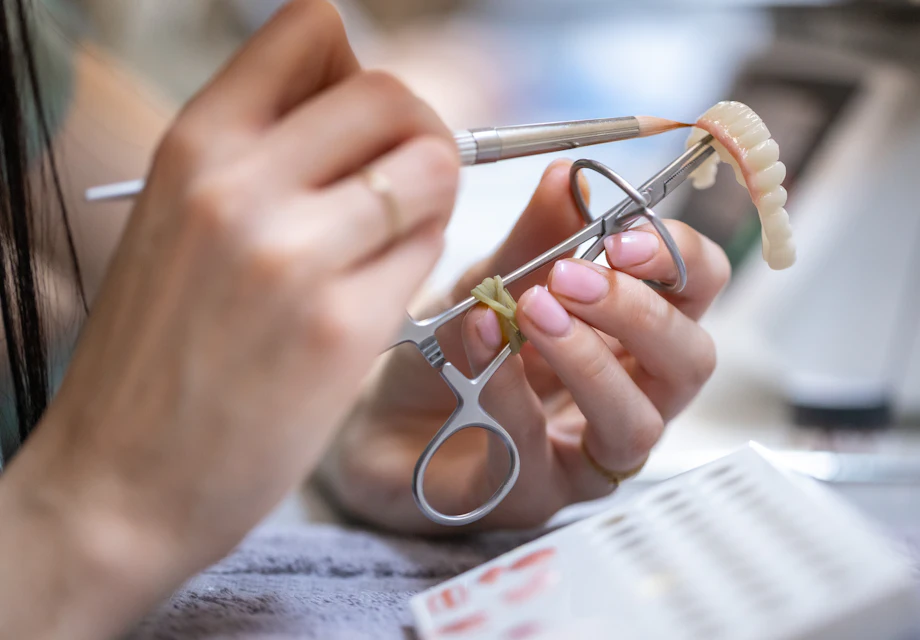
When an old denture breaks or you are preparing to replace several missing teeth, the first question is often whether you can afford to eat normally again. Our dental assistance homepage explains the broader charity and public-benefit landscape. For official charity intake and private dental discount programs, read our separate dental grants application resource. This page focuses on dentures, Medicaid and the lower-cost treatment routes that sometimes include prosthetics.
Not all tooth replacement is the same. A full denture replaces an entire upper or lower arch. A removable partial denture fills gaps when some natural teeth remain. An immediate denture may be inserted around the time teeth are extracted, while a definitive denture is often fitted after healing and assessment. An implant-retained overdenture attaches to implants for retention but is different from a conventional removable appliance.
The practical starting point is a dental examination that identifies whether the remaining teeth can be kept, whether infection or gum disease requires treatment, and what sort of prosthesis your mouth could support. Getting that assessment can prevent you from paying for a denture that does not fit or signing up for an expensive implant treatment you do not need.
Even when a health center cannot manufacture dentures in-house, it may provide an examination, address urgent infection, explain income-based fees and refer you to a suitable prosthodontic or dental school service.
Free dentures with Medicaid: what varies by state and plan
Federal Medicaid policy requires dental benefits for qualifying children through the EPSDT benefit, but adult dental benefits are optional at the state level. Medicaid.gov confirms that states decide what adult dental services to include. Some cover complete dentures, removable partial dentures, repairs or relines. Others cover only selected services or medically defined groups. An enrollee's actual benefit can also depend on a Medicaid managed-care plan, age and prior authorization rules.
The governing federal dental-services regulation, 42 CFR § 440.100, gives a general definition of dental services. It does not require every state to buy implants or dentures for every adult. A particular state's benefit manual, published fee schedule and managed-care contract provide the details that determine payment. States may set replacement intervals, limit the number of dentures per arch, or require documentation that an older prosthesis cannot be repaired.
For this reason, there is no reliable one-size-fits-all chart that tells every applicant they qualify today. Coverage can change during a calendar year. Rather than treating a 2018 or 2023 state table as current, call the dental member-services number on your insurance card or visit your state Medicaid agency's site through the Medicaid state assistance directory.
Questions to ask your Medicaid dental administrator
Ask, “Does my adult dental plan cover full upper dentures, lower dentures or removable partials?” Then ask whether extractions and preliminary disease treatment are covered, whether a referral to a participating prosthodontist is needed, and how many years must pass before a replacement. If the plan requires prior authorization, find out whether the dental office submits that paperwork and what documentation is required.
Do not assume a dentist's statement that the treatment is medically necessary guarantees payment. State Medicaid rules define covered services and utilization controls. A valid clinical need and a covered benefit are two different questions. Some plans can authorize a denture but not an implant-supported design; others may consider exceptions only under narrowly defined circumstances.
May be covered when an entire arch requires replacement. Check any limit on fittings, relines, repairs or replacement years.
May require enough missing teeth or functional limitations under the plan's specific policy. Confirm material and provider restrictions.
Not every plan covers a temporary or immediate appliance alongside a later definitive denture. Ask how healing and adjustment visits are billed.
These combine surgery and a prosthesis. Standard denture coverage should not be assumed to include implant placement or attachments.
How to request a Medicaid denture evaluation without surprise bills
Begin by identifying an office that is both accepting new patients and enrolled with your specific Medicaid dental network. An office may say it “takes Medicaid” but not participate in every managed-care arrangement. Confirm the plan name, the appointment type and whether the first evaluation requires a referral before you travel.
- Request an oral examination.
Ask the treating dentist to document remaining teeth, problems with chewing, the condition of the gums, and whether existing dentures can be repaired or must be replaced. The plan may require diagnostic images or supporting clinical notes.
- Discuss the actual denture type.
Ask whether a full denture, partial denture or another clinically appropriate option is recommended. A lower-cost plan that preserves healthy teeth may be better than removing them solely to qualify for a prosthesis.
- Have the office verify the benefit.
Before treatment, request the applicable coverage code, any prior authorization and the plan's written response. Ask if an authorization covers both the prosthesis and expected follow-up adjustments.
- Get an itemized estimate.
List examination, imaging, extractions, temporary appliance, definitive denture, laboratory fees, relines and maintenance separately. Ask what the patient must pay if a claim is denied or a service falls outside the plan.
- Document the reason for a denial.
If coverage is rejected, request the decision and appeal instructions from your actual plan. You may be able to submit additional clinical evidence or use the plan's grievance and fair-hearing process when appropriate.
If a provider asks you to pay privately for a covered service, request clarification before agreeing. Some practices offer optional materials or upgraded treatment that are not covered. You should know whether such an upgrade is necessary, voluntary and separately billed.
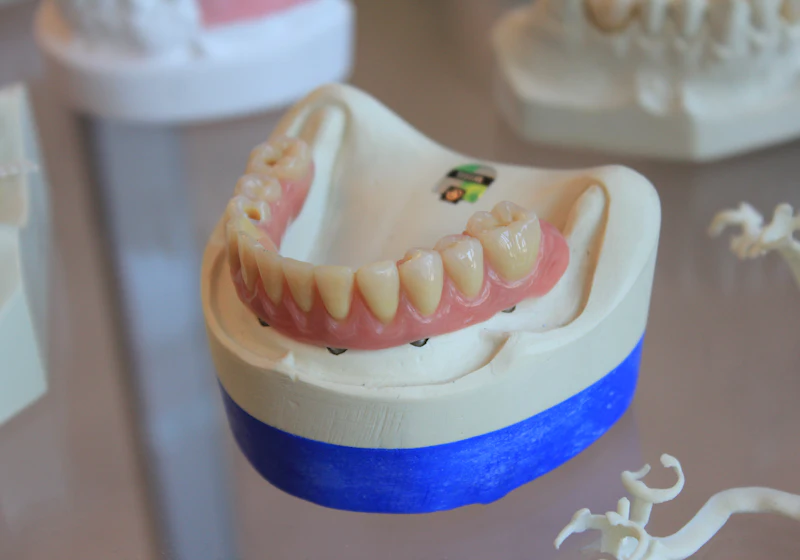
Compare denture assistance routes without confusing coverage and discounts
The rows below show where patients commonly begin, not a national price list. A state may pay for a denture while a school charges a sliding fee, and a charity may donate care only after qualification and placement with a volunteer.
| State Medicaid adult dental | Full or partial dentures where covered | State plan, enrollee category, clinical need, prior authorization | Covered amount or copay depends on state and plan | Plan verification · Medicaid.gov |
| Dental Lifeline Network / DDS (EIN 84-6129064) | Donated dentures under approved care plan | Financial need and older/disability/medical category | Potential $0 if accepted | Waitlist can be long · DDS |
| HRSA-supported centers | Examination, treatment, possible prosthetic referral | Household income, local scope and clinic policy | Sliding fee for eligible covered services | Clinic availability · Find a center |
| University dental school | Supervised conventional or specialty dentures | Clinical evaluation and academic patient intake | Reduced fees; no fixed $900 national package | Multiple visits · CODA |
| County and community charities | Locally available emergency or denture support | Local eligibility, funded scope and available intake | Varies; may be free or reduced, not guaranteed | Local program · HRSA guide |
Dollar amounts are intentionally not advertised as fixed national rates. Obtain a signed estimate from the actual provider and confirm whether the lab, replacement teeth and aftercare are included.
Dental schools: reduced-cost full dentures, partials and overdentures
Dental schools and residency programs can offer treatment at lower fees than some private practices because students or trainees provide supervised care as part of their education. This is not the same as a universal free service. A teaching clinic may have multiple evaluation and adjustment appointments, longer treatment timelines, or a waiting list for a case that matches its educational needs.
The federal HRSA dental access guidance recommends contacting dental schools and training programs about available services. The Commission on Dental Accreditation provides a searchable accredited-program directory. You can use a program search to locate schools by city or state, then contact the patient-care office to ask whether it treats adults needing dentures.
What the advertised $0–$900 dental school denture idea gets wrong
The idea of a low-fee school denture or a two-implant “snap-in” overdenture can be attractive. In reality, no nationwide published dental school fee establishes that every patient can obtain a complete denture or implant-supported overdenture for $900. University clinics set their own fees and may separate implant surgery, attachments, final prosthesis, bone grafting, imaging and adjustment visits.
Occasionally a training clinic, donation program, externally sponsored case or clinical research project may provide certain components at no cost, but availability is limited and needs clinical review. If you receive a quote of $900, ask whether it covers a conventional denture, an implant-assisted attachment, two implants and the final appliance, or just one part of the process. The exact written scope matters more than the headline number.
An implant-retained overdenture can sometimes offer stability compared with a traditional denture, particularly for an appropriate lower-arch case. But it requires adequate health and anatomy and may involve surgery. A dentist or prosthodontist should explain alternatives, risks, maintenance and long-term replacement costs. A removable denture can remain a more practical solution for someone who cannot afford surgery or follow-up care.
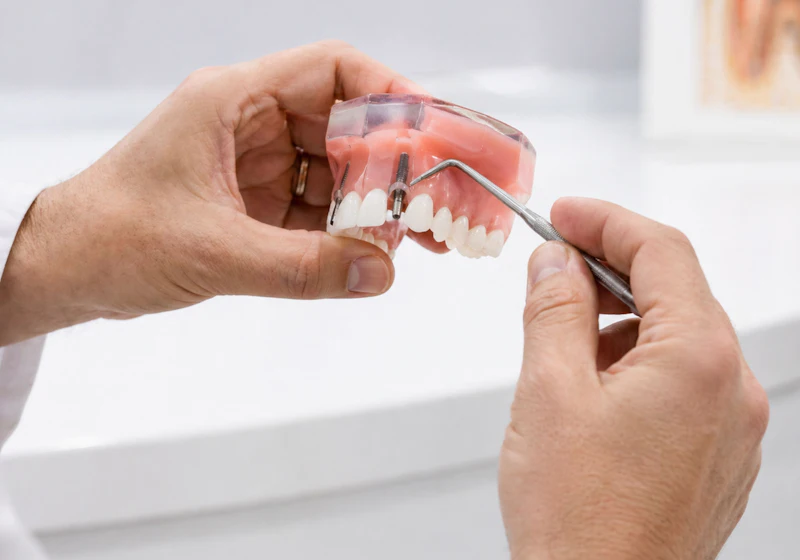
HRSA community health centers and county assistance programs
Health centers supported under Section 330 of the Public Health Service Act, 42 U.S.C. § 254b, must operate sliding-fee discount programs for eligible services within their approved scope. HRSA's published requirements provide full discounts, or possible nominal charges, for qualifying patients at or below 100% of the applicable Federal Poverty Guidelines and partial discounts between 100% and 200%. The exact clinic schedule, eligibility documentation and service availability still determine what an individual pays.
That rule does not mean every Federally Qualified Health Center makes dentures or places implants. Many centers emphasize examinations, cleaning, fillings, extraction and infection treatment. Some offer prosthodontics through an in-house team or referral partnership; others do not. Ask about the written referral agreement, whether the referred service gets a sliding-fee adjustment and whether a clinic can coordinate with your insurance.
The official HRSA Find a Health Center tool can help identify centers in your ZIP code or community. When you call, explain the clinical need without oversharing personal documents: “I need an evaluation for missing teeth and cannot pay private fees. Does your dental clinic provide dentures or refer patients for reduced-cost dentures?” Ask whether an income screening is available at the first visit.
County indigent-care services, local health departments, charitable foundations and community action programs may provide some dental help in certain locations. These programs have no single nationwide denture voucher application. Some focus on emergencies or treatment needed before employment or another medical procedure. Contact the local health department or county public health office to learn whether a real, funded program is open.
Increasing swelling, fever, severe pain or trouble swallowing can signal a problem needing prompt clinical assessment. Difficulty breathing or swallowing and rapidly spreading swelling may require emergency care. An appliance or implant plan should not replace treatment for an active dangerous infection.
Can Dental Lifeline Network or charity labs provide dentures?
Dental Lifeline Network's Donated Dental Services program helps qualifying older people, individuals with permanent disabilities and medically fragile applicants who cannot afford necessary dental treatment. Its EIN is 84-6129064. Participating dentists and laboratories may provide restorative treatment, crowns, bridges or dentures when those items are appropriate to the volunteer's treatment plan.
The official DDS help page explains its screening process and warns that qualifying applicants can spend months to a year or more waiting for care. Volunteers choose the treatment they can deliver. No applicant should assume implants, anesthesia or complex prosthetics are guaranteed. A charity-funded denture may be appropriate when an implant is not available or clinically suitable.
Dental labs play an important role because a dentist may need custom-fabricated prostheses. But being able to identify a laboratory does not mean the lab will offer direct-to-patient treatment. In most cases, clinical impressions, bite records, design, fitting and adjustments must be managed by a licensed dentist through a coordinated care plan.
If you have already spent your savings on a denture that no longer fits, ask the DDS program whether a repair, reline or new appliance could fit its criteria. A Medicaid covered benefit should generally be explored first, since the donated program expects applicants to use eligible insurance options. Do not send clinical files to an unrelated online form promising to place you ahead of the charity waiting list.
Create a medical-necessity inquiry and dental school hardship letter
If the cost of a clinical evaluation is keeping you from seeking care, a short, respectful letter can help you explain the practical problem to a dental school's intake desk, social worker or community clinic. It should request consideration, not demand a guaranteed free denture. Describe what you can verify: missing teeth, difficulty chewing, work limitations or the need for an examination.
A patient-generated letter is not a physician's medical certification or a Medicaid prior-authorization document. A licensed clinician must provide any required diagnosis, supporting records or medically necessary-care statement. Use the template below to organize a clear request; read and edit every sentence before sending it.
Medical necessity & dental school financial hardship request letter
Create an editable letter for a dental school intake office, dentist or agency. It describes your reported practical needs without claiming a diagnosis or certifying medical necessity. A licensed clinician must make clinical determinations.
How to send the letter without exposing sensitive information
Address the finished letter to the correct program or office. Include only the details needed to request an appointment or financial screening. If the clinic later requests verification of benefits or clinical history, use its official secure procedure rather than attaching records to a generic inquiry email. Keep a copy of the response and any written estimate.
How to compare a denture quote without overlooking future expenses
The purchase price is only one part of tooth replacement. A new denture may require follow-up visits, adjustment for sore spots, a reline as the tissues change, and eventual repair or replacement. The cost of a prosthesis may be paid in stages, but a staged payment schedule does not lower the total bill. Ask the provider what it will cost to keep the denture usable for years.
Immediate dentures can be convenient when extractions are part of treatment, yet the gums change during healing. A temporary appliance may need adjustment or later replacement with a definitive denture. Ask whether both are included in any insurance authorization or school clinic quote. A private provider may describe a packaged fee that is different from the billing codes accepted by your Medicaid plan.
For an implant-retained overdenture, ask about the implants, attachment replacement schedule, denture relines, hygiene visits and the cost of a lost or broken appliance. A small “starting at” monthly figure can hide financing fees or an expensive procedure. Review loan APR, term and any deferred-interest provisions before agreeing to credit.
Someone who can eat with a well-fitted conventional denture may not need implant surgery. Someone with extensive bone loss or difficulty retaining a lower denture may be referred for specialty evaluation. Both decisions belong with a treating clinician, not a generic financing advertisement. A realistic plan matches health needs, available benefits and the patient's ability to handle long-term maintenance.
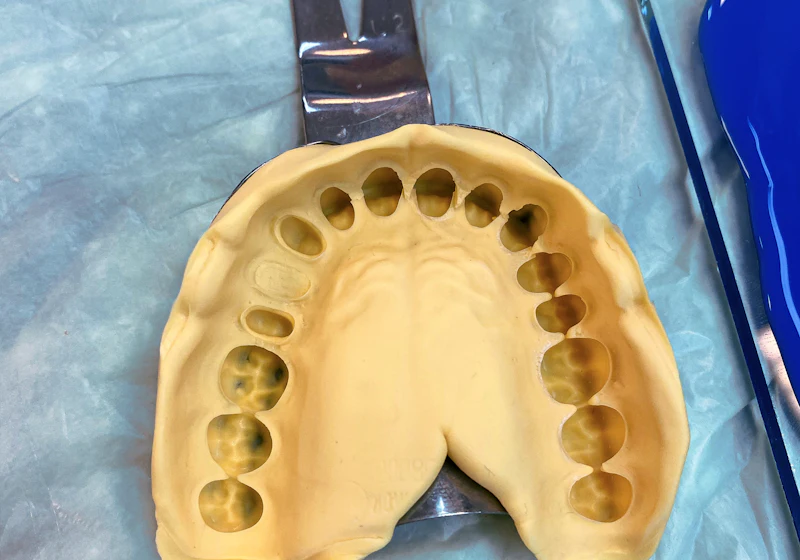
Government grants for dentures: what public assistance actually covers
Search results for government grants for dentures often mix federal funding to organizations, Medicaid insurance benefits and private dentist advertisements. Federal grants may help support community health center infrastructure or research, but they generally do not operate as an unrestricted cash voucher to purchase a denture from any private office. A patient's practical support more often takes the form of a covered Medicaid service, donated charity treatment, a clinic discount or a local assistance fund.
When an advertisement claims a new federal denture grant will pay the full cost, check the named program, source of funds and official application site. Be especially careful when the website requests payment to “release” a benefit or promises approval without checking residence, coverage or clinical need. Real assistance programs generally explain what they fund and who decides eligibility.
Our recommended order is simple: verify your current insurance, call a participating dental clinic, ask an HRSA center about income-based services, contact a dental school, and apply to a suitable charity if you meet its criteria. You can explore these options at the same time, but do not pay for a procedure until you understand how potential insurance or charitable support will interact with your bill.
Historical Program Evolution: From 2018–2020 HRSA Oral Health Grants to 2026 Dental Assistance
We maintain an April 2018 research baseline and October 2026 clinical audit date to separate earlier program models from current benefits. Historical state Medicaid rules and older public-health emergency funding should not be used as proof that an individual is covered for dentures today.
| Period | Program evolution | Current action |
|---|---|---|
| 2018–2019 baseline | HRSA Section 330 health center framework and Dental Lifeline Network DDS were among the documented community dental resources. | Verify current health center services and state DDS intake. |
| 2020–2022 pandemic care | Access restrictions affected elective dental care and made urgent service pathways important. | Do not mistake emergency-era arrangements for current grants. |
| 2023–2025 benefits changes | Several states revised adult Medicaid dental benefits and CMS clarified specific medical-related dental coverage. | Use current state plans and Medicare coverage policy. |
| 2026 review cycle | Charity, public clinic and private discount information was reviewed against public program descriptions. | Recheck open intake, costs and clinical suitability before applying. |
State benefit design and community clinic capacity continue to evolve. Before relying on any old claim about a deductible, free prosthesis, annual cap or replacement interval, confirm the rule with your actual state Medicaid administrator or participating provider.
Common questions about denture assistance
Are free dentures for low income guaranteed nationwide?
No. Adult dental benefits, charity capacity and university clinic fees differ by state and provider. Only the actual program can confirm whether you qualify.
Can adults receive free dentures with Medicaid?
Some state Medicaid plans cover full or partial dentures with prior authorization or replacement limits. Confirm your specific adult dental benefit and participating provider before starting treatment.
Are government grants for dentures mailed directly to patients?
There is no universal federal cash grant for routine dentures. More common assistance routes are Medicaid coverage, donated prostheses and sliding-fee community care.
Does Original Medicare cover routine dentures?
Original Medicare generally excludes routine dental services, including dentures. Certain services connected with specified covered medical procedures are treated differently.
Does Medicaid automatically pay for implant-retained dentures?
No. Coverage for a conventional denture should not be interpreted as permission to bill for implant surgery or attachments. Ask the plan for a formal benefit determination.
Do dental schools provide a guaranteed $900 denture?
No national school fee guarantees that price, and prosthetics, surgery and follow-up can be billed separately. Request a written itemized estimate from the school.
How long does donated denture treatment take?
A DDS applicant may wait months or longer for a volunteer dentist. Dental school care can also require several evaluation and fitting appointments.
Can a hardship letter certify medical necessity?
A patient-generated letter is a request for review, not a licensed clinician's medical certification. Any clinical diagnosis or formal insurer documentation must come from a qualified provider.
Where this dentures overview gets its information
We use primary program descriptions, federal regulations and official healthcare consumer resources. Actual Medicaid coverage, charity waitlists and individual estimates should be reconfirmed before the appointment.
- CMS Medicaid.gov — dental benefits for children and adults.
- HHS — how Medicaid adult dental coverage works.
- HRSA — low-cost dental care and school clinic resources.
- HRSA — sliding-fee discount compliance.
- CODA — accredited dental program finder.
- Dental Lifeline Network — DDS official eligibility and application.